
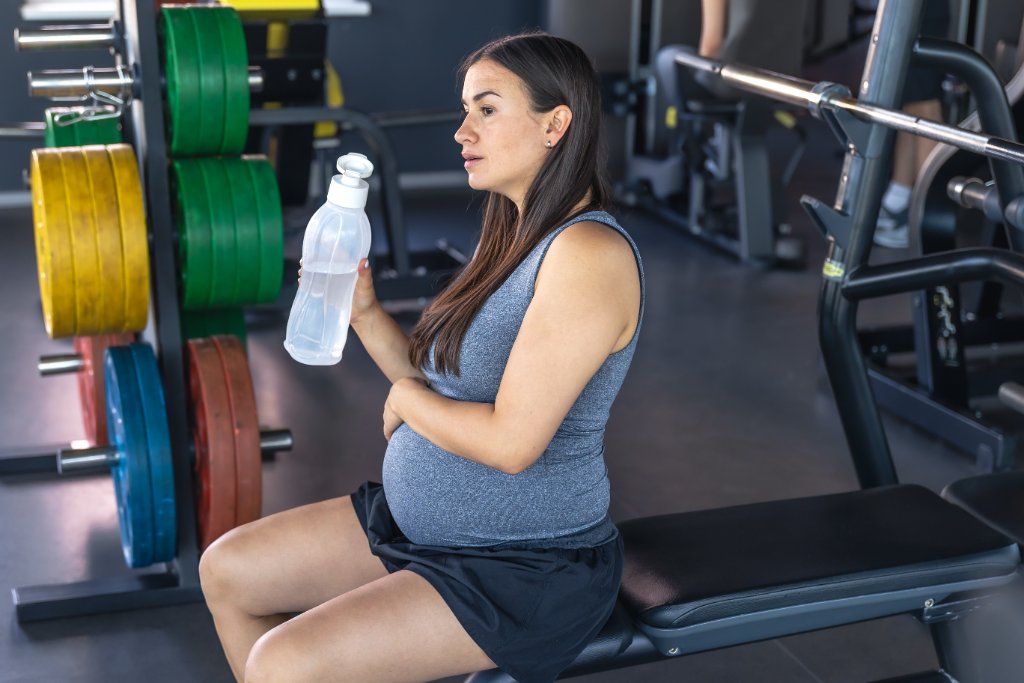
CAN EXERCISE DURING PREGNANCY CHANGE HOW YOU DELIVER? HERE'S WHAT THE RESEARCH SAYS
Meta-analysis of 16 RCTs · 3,387 pregnant women
| Outcome | Change | Detail |
|---|---|---|
| Normal vaginal delivery | +14% | Higher rate vs. non-exercising women |
| Cesarean delivery | −34% | Lower rate |
| First stage of labor | −61 min | Shorter, on average |
| Instrumental delivery, birth weight, Apgar | No change | No cost to baby's health markers |
When it comes to pregnancy, "should I keep exercising?" is one of the most common questions out there — and the answers people get are often vague or contradictory. A newly published systematic review and meta-analysis just gave us one of the clearest pictures yet.
Researchers from the University of Gondar pooled data from 16 randomized controlled trials involving 3,387 pregnant women (1,704 who exercised, 1,683 who didn't) to answer a specific question: does structured physical activity during pregnancy actually change delivery outcomes?
What they found
Women who followed a supervised exercise program — aerobic training, yoga, aquatic exercise, or Pilates, done 2-4 times a week — had:
- +14%higher rate of normal vaginal delivery compared to non-exercising women.
- -34%lower rate of cesarean delivery.
- -61 minshorter first stage of labor, on average.
- No changein instrumental delivery rates, birth weight, or Apgar scores — meaning the benefits didn't come at the cost of baby's health markers.
| Delivery Outcome | Risk Ratio (RR) |
|---|---|
| Normal vaginal delivery | 1.14 |
| Instrumental delivery | 0.84 |
| Cesarean delivery | 0.66 |
Why this matters
Cesarean rates have been climbing globally for years, well past what the World Health Organization considers medically necessary (10-15%). C-sections carry real costs: longer hospital stays, higher infection risk, and higher maternal mortality and morbidity compared to vaginal delivery. Anything non-invasive that shifts the odds toward normal delivery is worth paying attention to.
This review only included healthy women with normal BMI and uncomplicated, singleton pregnancies — so it's not a blanket recommendation for every pregnancy. But for that population, the takeaway is consistent with what most current guidelines (WHO, ACOG) already say: moderate exercise through pregnancy is not just safe, it's genuinely protective for labor and delivery outcomes.
The practical piece
The exercise protocols in these studies weren't extreme — moderate intensity, 90-210 minutes per week, supervised by a physiotherapist or fitness professional. That's a realistic target for most people, not an elite training block. If you're pregnant and cleared for activity by your provider, this is another solid data point in favor of staying consistently active rather than defaulting to rest.

Source: Andargie BA, Legas A, W/Sellassie A, Abuhay H, Angaw DA (2025). Effects of physical exercise during pregnancy on delivery outcomes: Systematic review and meta-analysis of randomized controlled trials. PLoS ONE 20(7): e0326868. https://doi.org/10.1371/journal.pone.0326868. Open access under CC BY 4.0.

